
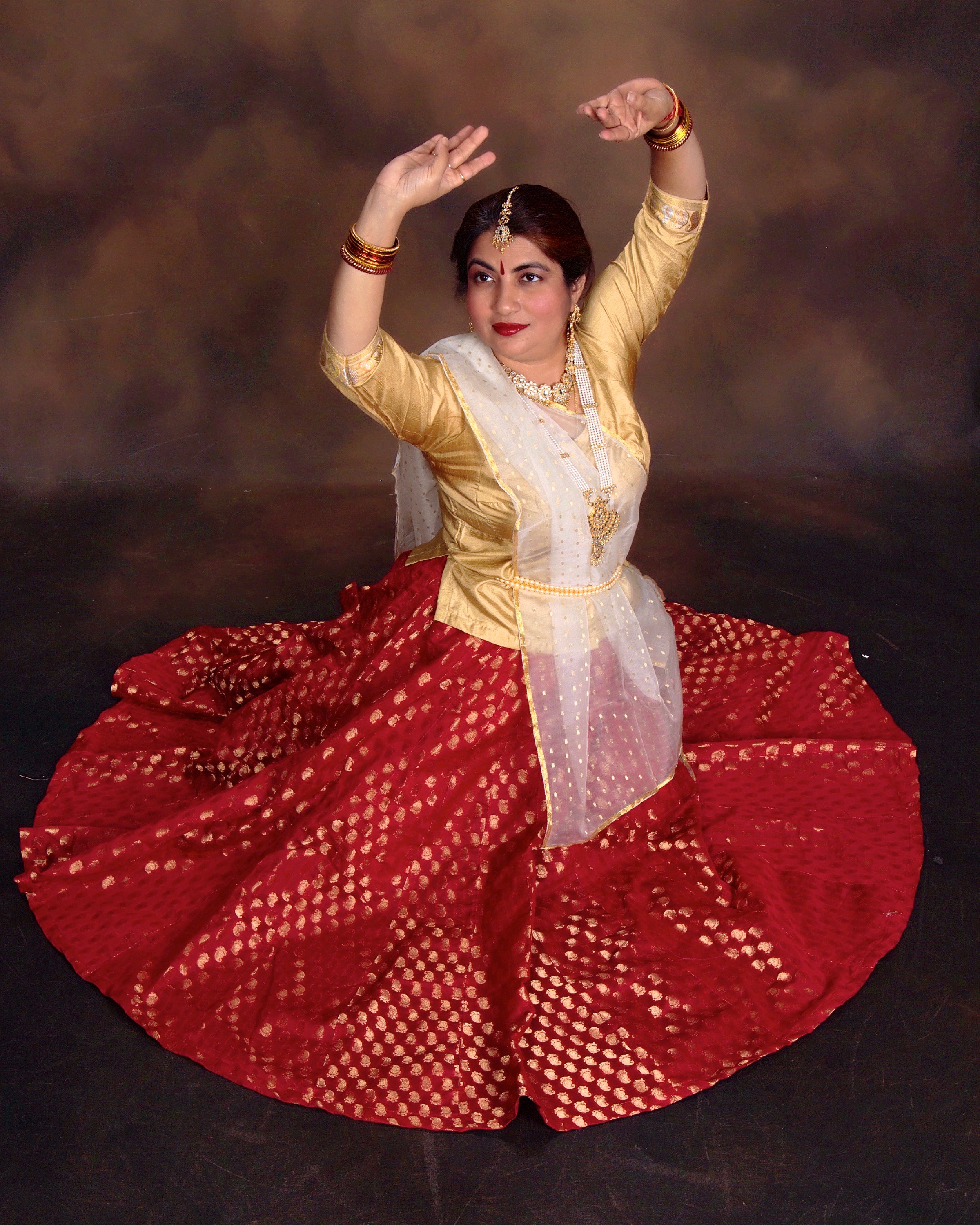
About the Guru and School
Debjani Chakraborty a kathak dancer, choreographer and a passionate teacher. She is the founder and artistic director of Kathak Darshan School Of Dance based in San Diego, USA. She obtained her Master’s Degree, specializing in Kathak dance from famed Rabindra-Bharati University, Kolkata. She holds a diploma in Kathak from the Prayag Sangeet Samiti in Allahabad. Trained in “Lucknow Gharana” from a tender age under the guidance of Smt Bela Arnab, Debjani has taken master classes with Smt Damayanti Joshi and her talent blossomed under the guidance of legendary Pandit Birju Maharaj and Vidushi Saswati Sen. She is known for her graceful movements, and for mastery over various aspects of Kathak, such as Abhinaya (expression), command over the Laya (rhythm) and is well known for her contribution to the society.
Debjani had the privilege to promote and teach Kathak Dance at University of California San Diego. Her artistic works have been presented all over India, and in the United States. She has been actively involved in Federation of Indian Associations San Diego, Indo-American society of San Diego, House of India, and Rotary International. She has been invited to judge at premier intercollegiate Indian classical dance competition.
In addition to performing, teaching dance has always been very close to Debjani’s heart. She established Kathak Darshan School Of Dance in the year 2008 with the objective of teaching traditional North Indian Classical Art form “KATHAK”. It aims to pass on the rich history of Kathak as well as the specific techniques of the Lucknow Gharana. The school has made its mark through various notable performances in San Diego and Los Angeles and has ever since been dedicated to propagating this divine art form.
What is Kathak
Kathak is one of the eight forms of Indian classical dance. Originating from north Indian states, In ancient Indian temples brahmin priests used to narrate the stories of gods and goddesses through dance, they were known as “kathakar” and the dance came to be known as “kathak”. This dance form traces its origins to the nomadic bards of ancient Northern India, known as Kathakars or storytellers. Its form today contains traces of temple and ritual dances, and the influence of the bhakti movement. From the 16th century onwards it absorbed certain features of Persian dance and central Asian dance, which were imported by the royal courts of the Mughal era. The name Kathak is derived from the Sanskrit word katha meaning story, and kathakar in Sanskrit means one who tells a story. In this dance form intricate rhythmic designs executed through rapid footwork, soft and fluid hand movements, stunning and fast pirouettes, darting eyes and tantalizing expressions.
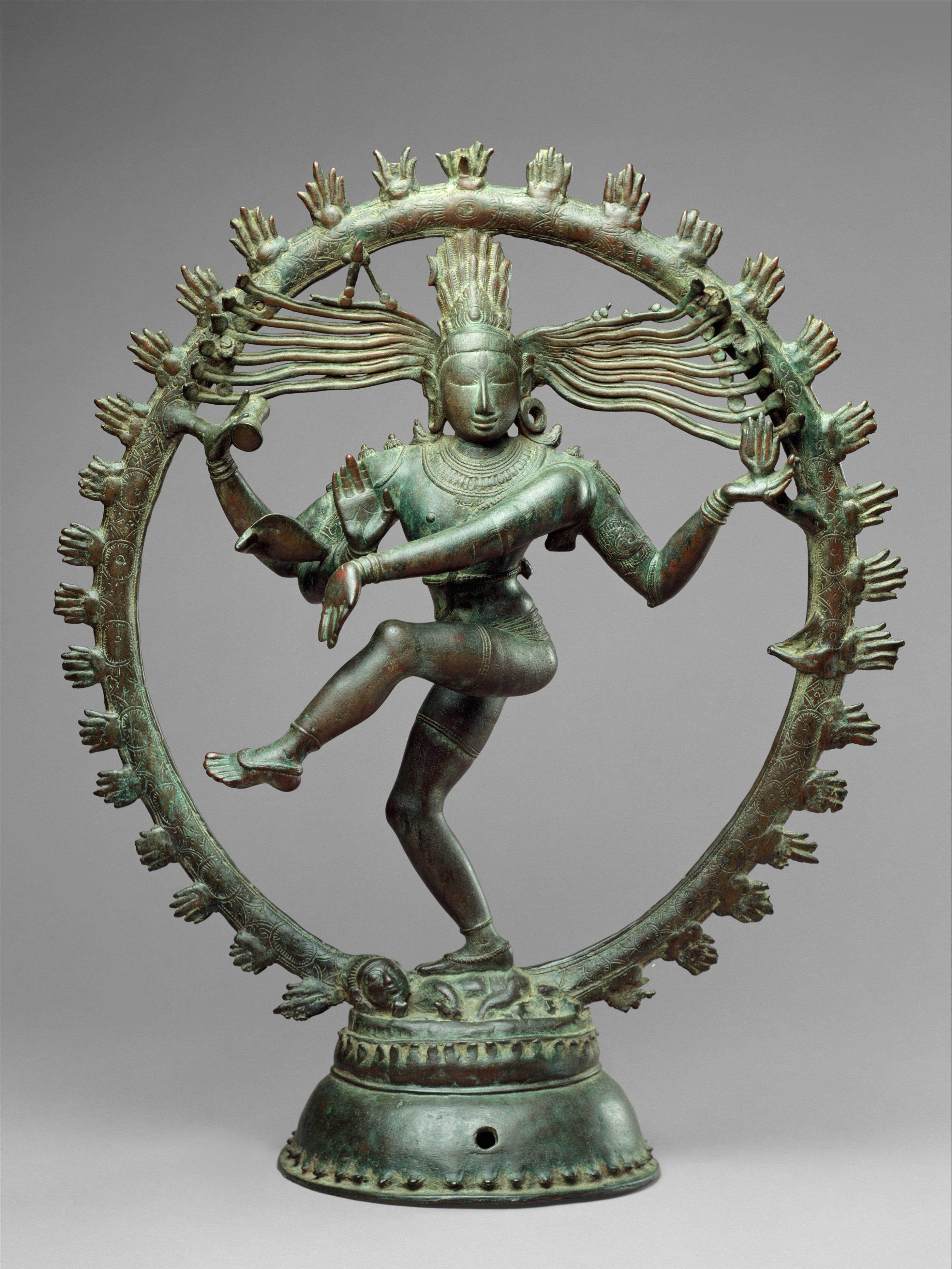
 Kathak Darshan School of Dance